
Most people who search for a personal trainer for an elderly parent aren’t doing it for fun. Something happened. Mom slipped on the back step. Dad stopped walking to the corner store because his knee “isn’t right.” The doctor said “stay active” at the last appointment and nobody in the family is sure what that means for someone who is 78.
A good trainer can help with that. A bad fit can scare your parent off exercise for good. This guide covers how to tell the difference before you pay for anything. If you’re in the GTA and want someone to come to the house, a Trainer Pro in-home personal trainer for seniors does exactly this, and the first session is free.
Signs Your Parent Could Use a Trainer
None of these mean something is wrong. They mean strength and balance are slipping, and that’s the part training changes.
- They push off the armrests to stand up, or rock a few times first.
- They hold the wall or furniture when they walk through the house.
- Stairs have become a one-at-a-time, two-hands-on-the-rail job.
- They’ve had a fall, or a near miss they mentioned once and then stopped talking about.
- They’re doing less than a year ago because they’re nervous, not because they’re tired.
That last one matters more than people think. Fear of falling makes older adults move less, moving less makes them weaker, and weaker makes a fall more likely. Between 20% and 30% of Canadian seniors fall each year, and falls are the leading cause of injury-related hospitalizations in that age group, according to the Public Health Agency of Canada.
What to Look For in a Trainer for an Older Adult
A recognized certification, plus time with older clients
In Canada, look for credentials such as CSEP-CPT (Canadian Society for Exercise Physiology) or canfitpro’s Personal Training Specialist, or a registered kinesiologist. The certificate is the floor. What you really want to hear is that they have trained people your parent’s age, ideally with similar issues: a replaced hip, arthritis, low bone density, a recent hospital stay.
An assessment before the first workout
A good trainer for seniors spends the start of the first session watching, not counting reps. How does your parent get out of a chair? How do they walk? Can they stand with their feet together without swaying? That tells the trainer where to start. Someone who opens with a generic circuit hasn’t looked.
Respect for the doctor and the physio
If your parent has a heart condition, recent surgery or is in physiotherapy, the trainer should ask about restrictions and work inside them. Trainers don’t diagnose or treat. A trainer who brushes off “my physio said no deep bending” is not the right one.
Patience and plain talk
Older clients often need instructions repeated, demonstrated, or written down. They may have hearing loss or simply want to understand why they’re doing something. The right trainer explains without talking down, and lets your parent say no to an exercise without making it awkward.
Insurance and logistics
Ask whether the trainer carries liability insurance. If your parent lives in a condo and wants to use the building gym, some buildings require proof of it, a guest sign-in, or prior permission from management. Sort that out before the first session, not in the lobby.
Questions to Ask Before the First Session
Ask these on the phone. The answers tell you more than a website will.
- How many clients over 70 have you trained, and what were they working on?
- What do you check in the first session before any exercise?
- What happens if my parent feels dizzy or has pain during a session?
- Will you follow the restrictions from their doctor or physiotherapist?
- What equipment do we need at home, if any?
- Can I sit in on the first session?
- How will we know it’s working after a month?
The answer to the last one should be something you can see: standing up from a chair without using hands, walking to the mailbox without stopping, getting up the stairs with one hand on the rail. Not “they’ll feel better.”
Red Flags
- They push hard in the first session to “see what your parent can do.”
- Every client gets the same routine.
- They promise results by a date, or sell a long package before anyone has met.
- They talk to you about your parent while your parent is in the room.
- They wave off pain with “no pain, no gain.” For an 80-year-old, sharp pain means stop.
Should Training Happen at Home or at a Gym?
For many older adults, home wins. There’s no drive, no parking in February, no crowded gym floor, and no one watching. Half of the falls that put Canadian seniors in hospital happen at home, so practising on their own stairs, around their own furniture and in their own kitchen means the work carries straight into daily life.
A gym makes sense if your parent likes getting out of the house and the trip itself isn’t a barrier. Some condo buildings have a gym downstairs, which can be the best of both.
How to Bring It Up With Your Parent
Don’t start with “you need a trainer.” Most people hear that as “you’re getting old.” Start with what they want to keep doing: gardening, travelling to see the grandkids, carrying their own groceries, not moving into a retirement home. A trainer is the way to keep doing those things.
Offer to be there for the first session, and make it clear they can stop after one if they don’t like it. A free first session takes most of the pressure off. Before you book, our guide on whether personal training is good for seniors is worth reading together.
What Does It Cost?
Prices vary by trainer, format and how many sessions you book. With Trainer Pro, one-on-one sessions start from $68, and couples or two family members training together start from $91 an hour. The first session is free, and exact package pricing is explained on the initial call before anything is signed.
Common Questions
Is it too late for my 85-year-old parent to start? Usually not. Older adults still respond to strength and balance training. The starting point is just lower and progress is slower, which is why the first assessment matters.
How often should they train? Twice a week is a realistic start for most older adults. Some do one session with a trainer and a short routine on their own on another day.
What if my parent has dementia or memory problems? Tell the trainer before the first session. Short, repeated routines in a familiar place, with a family member nearby at first, tend to work better than anything new or complicated.
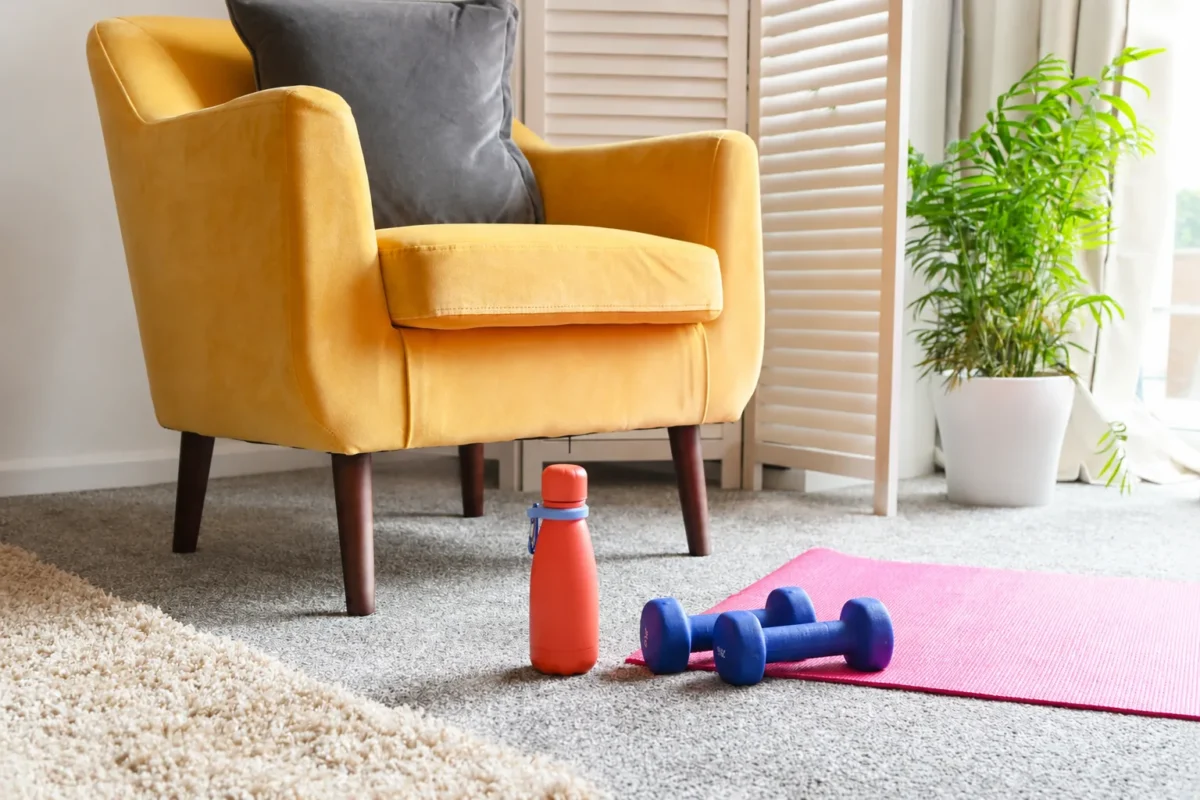
Do they need equipment? No. A sturdy chair, a wall and a counter cover most of the first months. A trainer may suggest a resistance band or light dumbbells later.
When Trainer Pro Helps
Trainer Pro matches families with certified personal trainers who come to the home or the building gym across Toronto and the GTA. If your parent lives in Port Credit, Streetsville or Erin Mills, our page for a personal trainer in Mississauga covers how it works there.
Family members are welcome on the first consultation. Sessions run 6 a.m. to 10 p.m., seven days a week, depending on trainer availability, and the first session is free.